Skip to content
Beginner equipment education

Boxing equipment basics for safe, consistent training

Learn what gloves, wraps, and training accessories actually do, how they should fit, and how to set up your kit for home sessions or gym classes. The goal is comfort, protection, and repeatable practice, not flashy gear or complicated decisions.

Quick checklist

Your beginner kit priorities

For most beginners, the simplest setup is enough. The right fit and safe habits matter more than feature lists.

Hand wraps

Supports the wrist and knuckles. Learn wrap tension and comfort.

Gloves that fit

Room for wraps, secure wrist, and no sliding inside the glove.

Basic care

Dry equipment after sessions and keep wraps clean to reduce odor.

Training reminder

Beginners can focus on movement and shadowboxing with minimal equipment. Add impact training only when your technique feels stable and your setup supports hand safety.

Understanding gear without the noise

Equipment choices can feel overwhelming because product names and features often sound technical. This page is meant to translate gear into simple decisions tied to real training needs.

Boxing equipment is not only about performance. For beginners, it is mainly about comfort, hand safety, and creating a training routine that you can repeat. A glove that feels secure can reduce wrist wobble. Wraps can help stabilize your hand and keep knuckles protected. Simple accessories, such as a timer or a small towel, make sessions easier to structure and keep clean.

We approach equipment education from a practical angle inspired by everyday boxing culture: understand what the item does, when you need it, and how to use it correctly. The aim is to help you avoid common beginner mistakes such as using gloves without wraps, choosing a size that feels cramped, or training with wet gear that never fully dries.

If you train at home, you may not need many items to get value from boxing fitness. If you train in a gym, your coach may recommend specific glove types depending on pads, bags, or class format. In both cases, learning the basics helps you make confident decisions and focus attention on movement quality.
Glove sizing and use-cases

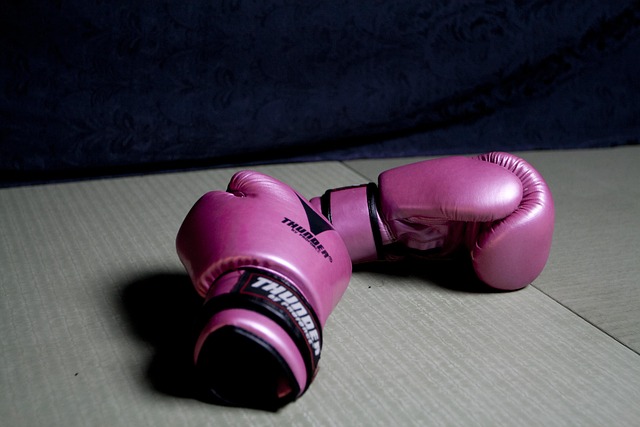
Glove size is often expressed in ounces. Higher ounces generally mean more padding and a larger glove body, which can feel more comfortable for bag work and beginner practice.

Fit still matters: you want room for wraps, a secure wrist closure, and minimal sliding inside the glove during punches.

Hand wraps 101

Wraps support the wrist and help keep knuckles aligned. Beginners should aim for firm support without cutting off circulation or creating pressure points.

If your fingers tingle or your wrap feels painful, loosen and re-wrap. Comfort is part of safety and consistency.

Footwear and floor grip

Good footwork depends on predictable grip. Choose shoes that feel stable for pivots and direction changes, and make sure your training surface is clear.

For home sessions, many drills can be done with clean trainers and controlled tempo to reduce joint stress.

Round timer and structure

A timer helps you keep sessions consistent. Beginners benefit from short rounds that emphasize posture and clean repetition rather than constant speed.

Pair the timer with a simple plan: warm-up, technique rounds, a short conditioning block, then a cooldown.

Safety and hygiene habits

Dry gloves after use and wash wraps regularly. Clean habits help prevent odor, extend gear life, and make training more comfortable.

If you share equipment in a gym, follow the facility’s guidance on wiping and storage to reduce cross-contact.

Training accessories that help

Small items can improve consistency: a towel, water bottle, and a notebook for short session notes. For coordination drills, simple markers on the floor can guide foot placement.

Keep it minimal. The best accessory is the one you use regularly and safely.

Beginner fit checks you can do at home

Use these quick checks before you start any impact training. They help you catch issues that can lead to sore wrists, rubbed knuckles, or inconsistent technique.

A safe starting approach

If you are new, start with movement, stance, and shadowboxing. Add bag or pad work only when you can maintain posture and wrist alignment at a moderate tempo. When in doubt, ask a qualified coach for a quick fit and wrap check.

See workshops

Wrap tension

Your wrist should feel supported but not stiff or painful. You should still be able to open and close the hand without numbness.

Glove interior fit

With wraps on, your hand should slide in smoothly and settle without tight pressure on knuckles. Excess space can cause shifting during punches.

Wrist closure

The closure should feel secure and reduce side-to-side movement at the wrist. Avoid cranking so tight that it limits blood flow.

Drying and storage

Open gloves after training and let them dry in a ventilated space. Wraps should be dried fully and washed regularly.

If something feels off

Reduce intensity and return to shadowboxing. Persistent pain is a sign to stop and seek professional advice. Gear can support safety, but it cannot compensate for rushed technique or overtraining.

boxing gloves hand wraps and training accessories on gym bench Dublin

Equipment FAQ

Common beginner questions about fit, use, and safe training choices.

Do I need wraps if I only shadowbox?
Not always. For non-impact shadowboxing, many beginners train comfortably without wraps. If you plan to use gloves for bag work or pads, wraps are strongly recommended to support the wrist and knuckles.
How do I know if gloves are too small?
With wraps on, you should not feel sharp pressure across knuckles or a forced curl of the fingers. Tight gloves can cause rubbing and reduce wrist stability because you cannot settle the hand properly inside.
What is the simplest way to keep gear hygienic?
Dry gloves after every session, wash wraps regularly, and store gear in a ventilated space. Avoid leaving wet equipment in a closed bag for long periods because odor and bacteria build quickly.
Should beginners train with very heavy or very light gloves?
Most beginners do well with a moderate glove that feels stable and padded for general practice. Extremely light gloves can feel fast but may offer less protection. The best choice depends on your training type and coach guidance.