Quick navigation
Jump to a category
Training note
We focus on beginner-friendly education. No sparring instruction, no pressure language, and no exaggerated transformation promises.
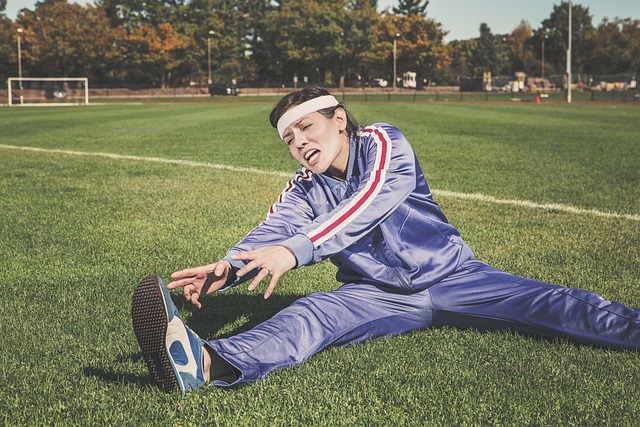
Our resources are designed to fit real schedules: short rounds, planned rest, and fundamentals that build confidence.
Getting started
These questions cover what beginners need on day one: space, time, session length, and how to build a simple weekly routine without overcomplicating the basics.
How much space do I need to practice movement and shadowboxing?
What is a realistic weekly schedule for a beginner?
How long should a beginner session be?
Do I have to be “fit” before starting boxing-inspired training?
Movement and technique
Boxing movement is built on posture, balance, and efficient steps. These answers keep the focus on fundamentals and safe learning without contact.
What should I focus on first: punches or footwork?
How do I know if my stance is too wide or too narrow?
What is the simplest shadowboxing format for beginners?
Why do my shoulders feel tense during shadowboxing?
A simple cue that helps
Think “quiet feet, tall posture.” Your feet should land softly and your head height should stay steady. This keeps movement efficient and reduces unnecessary strain in the knees and lower back.

Footwork practice is often more effective when you keep the steps small and repeat the same pattern with clean timing.
Conditioning and home routines
Boxing-inspired conditioning can be joint-friendly and practical. The key is choosing the right impact level and keeping the session structured.
What does “boxing conditioning” mean for a beginner?
How can I train at home without jumping or noisy drills?
Should I train to exhaustion to improve endurance?
How do I include recovery without losing momentum?
Equipment and beginner setup
Equipment education is part of safety. These answers cover what matters most so you can build a comfortable setup for home or gym practice.
What should I buy first: gloves, wraps, or something else?
How do I know if gloves fit correctly?
Do I need mouthguards or headgear for beginner fitness training?
What accessories are useful for home training?
Hand safety basics
If you plan to hit pads or a bag in a gym, learn wrap technique and keep your wrist straight on impact. If you are training at home with shadowboxing only, prioritize posture and shoulder relaxation.
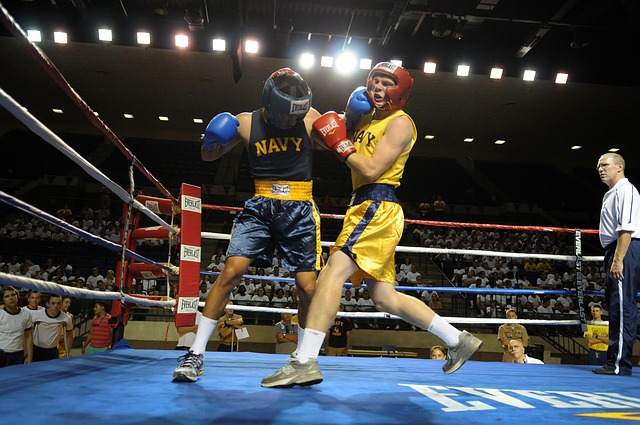
Comfort and fit help beginners train longer and with better technique control.
Workshops and sessions
Workshops are a structured way to learn fundamentals with a clear plan. We keep topics beginner-friendly and focused on movement, conditioning basics, and safe habits.
What topics do workshops cover?
Do I need previous experience to attend?
What happens after I send a workshop inquiry?
What should I bring or wear?
Interested in a session?
Visit the workshops page to review topics and send an inquiry. We keep communications practical and focused on helping you choose a safe starting point.
Safety and training habits
Safe habits help beginners stay consistent. These answers cover pacing, warm-ups, and how to respond to discomfort.
How should I warm up for boxing-style movement?
What should I do if I feel pain during training?
Is it normal to feel uncoordinated at first?
How do I avoid overtraining when I feel motivated?
Reminder
The content on Erin Chronicle is educational and not a substitute for professional medical advice. Train within your limits and seek appropriate guidance if you have health concerns or injuries.